
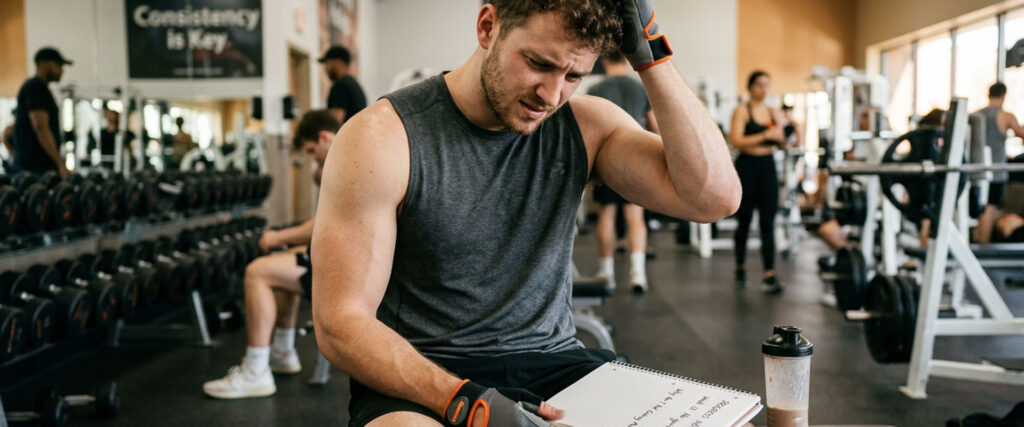
If you’ve been asking yourself, “Why am I not gaining muscle?” — even though you think you’re eating enough calories and training consistently — you’re not alone. Most people underestimate how much they actually need, which is one of the biggest reasons for slow progress.
You can watch the full breakdown on YouTube for a deeper explanation of these muscle-building mistakes.
This is one of the most frustrating situations in fitness. You’re putting in the effort, hitting the gym, eating more food… yet the scale barely moves and your physique doesn’t change.
The truth is: muscle growth is simple, but it’s not easy. Small mistakes in your training, nutrition, or recovery can completely stall your progress.
If you want to make sure your whole approach is right from the ground up, our complete guide on how to build lean muscle covers training structure, nutrition, and recovery in one place.
Let’s break down the real reasons why you’re not gaining muscle — and exactly how to fix it.
You’re Not Actually in a Calorie Surplus
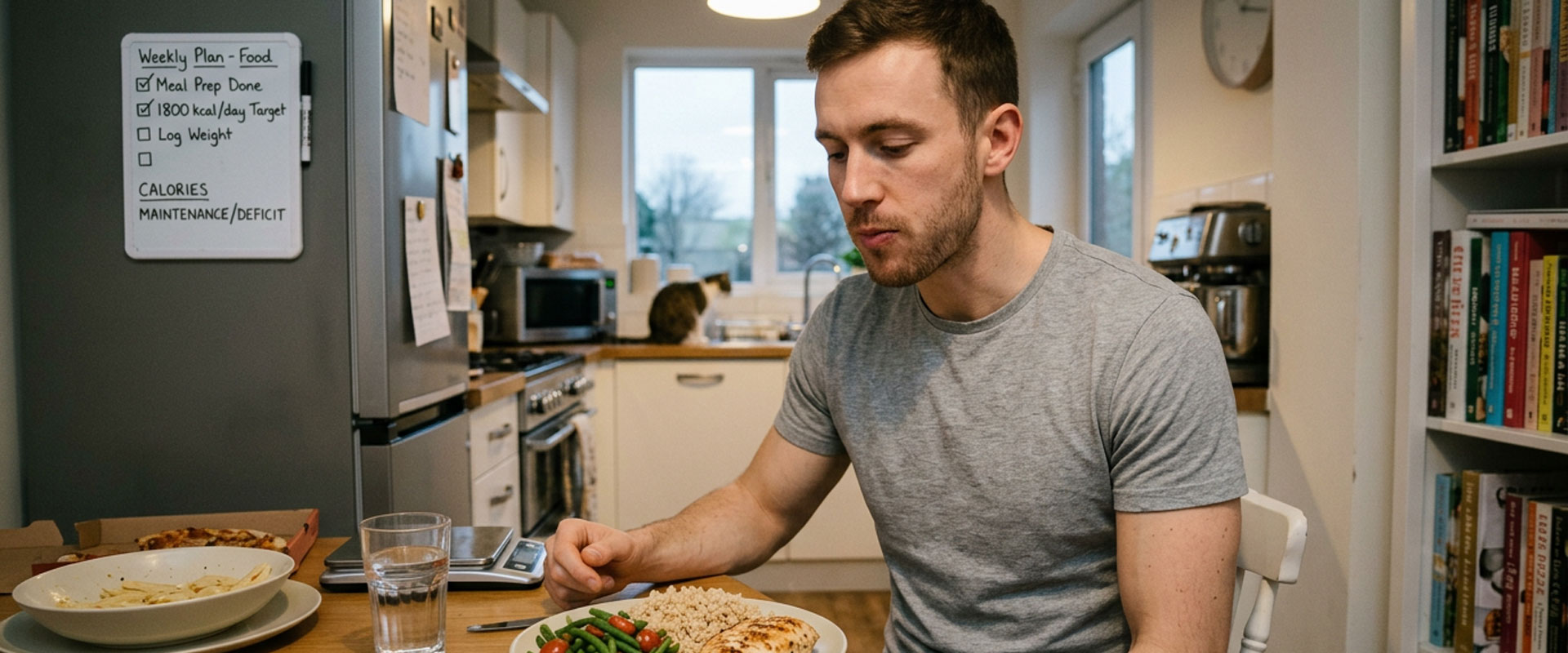
This is the number one mistake.
You think you’re eating enough… but in reality, you’re not consistently in a calorie surplus.
Many people underestimate how much they eat or overestimate how many calories they need. Even being slightly below a surplus can completely stop muscle growth.
🔍 Signs this is your problem:
- Your weight isn’t increasing over weeks
- You feel hungry often
- Your energy levels are inconsistent
✅ What to do:
- Track your calories for at least 1–2 weeks
- Aim for a small surplus (300–500 calories above maintenance)
- Weigh yourself 3–4 times per week
If your weight isn’t going up, you’re not in a surplus — simple as that.
👉 Having the right nutrition around your workouts matters. A good pre-workout meal can improve your performance, while a proper post-workout meal helps recovery and muscle growth.
One of the most common mistakes is simply not eating enough calories to support muscle growth. Even if you think you’re eating a lot, you may still be below your maintenance level. If you’re unsure, you can calculate exactly how much you need in our guide on how many calories you should eat to gain muscle.
Your Training Isn’t Progressive
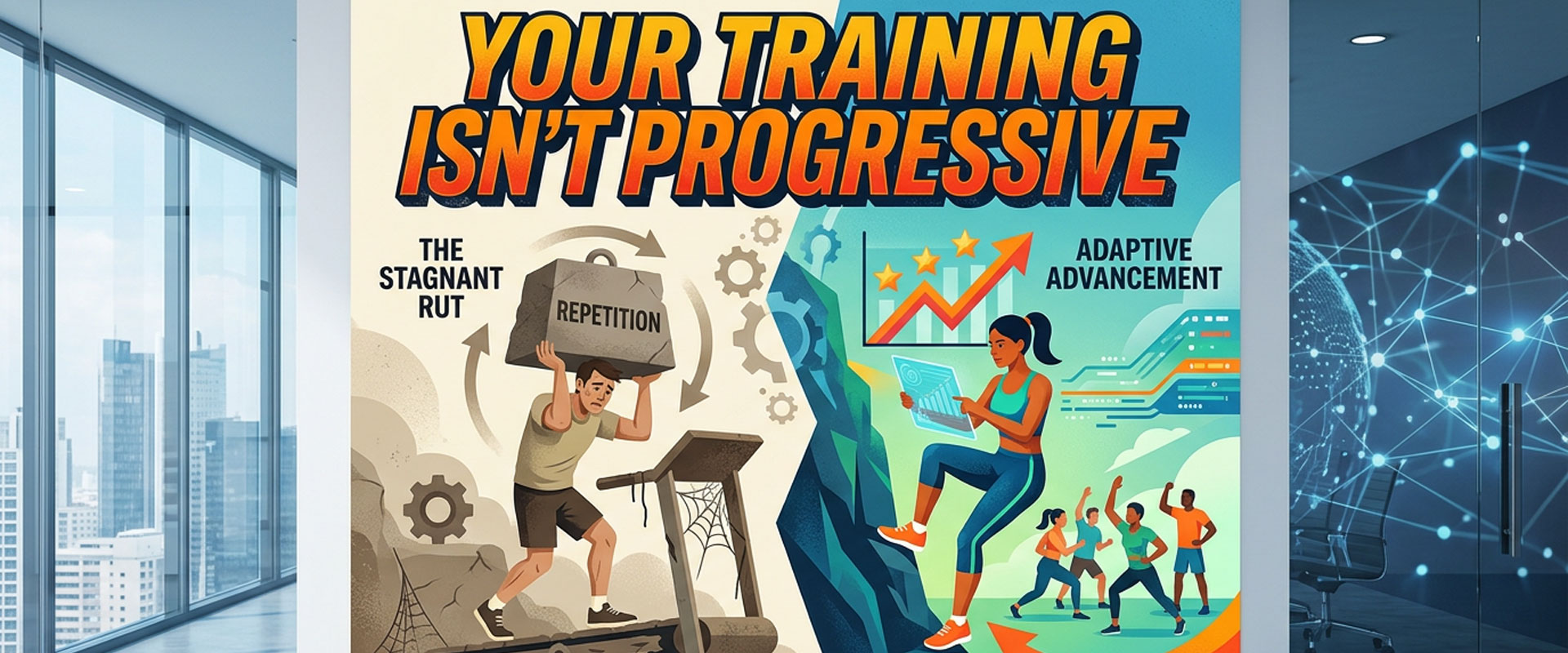
You can eat all the food in the world, but if your training doesn’t challenge your muscles, they won’t grow.
Muscle growth happens when your body is forced to adapt to increasing demands — this is called progressive overload.
🔍 Common mistakes:
- Lifting the same weights every week
- Not tracking workouts
- Training without intensity
✅ What to do:
- Increase weight, reps, or sets over time
- Track your workouts (this is HUGE)
- Focus on compound movements (squats, deadlifts, presses)
👉 Even when training smaller muscles like calves, progression matters. If you’re not improving over time, you won’t see results.
If you’re struggling with weaker muscle groups, focusing on targeted training like this calf muscle guide can help improve overall development.
You’re Not Eating Enough Protein
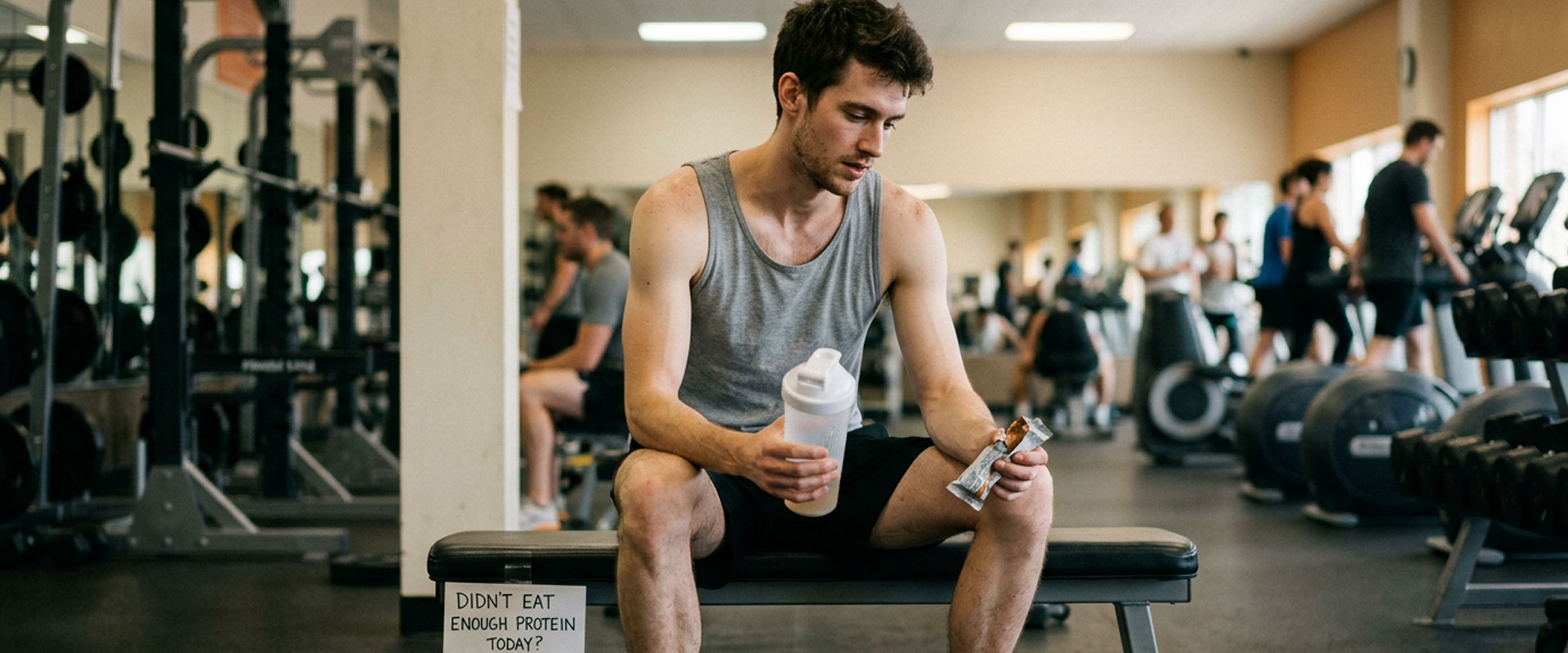
Calories matter, but protein is what builds muscle.
If you’re not eating enough protein, your body simply can’t build muscle efficiently — but can you build muscle without protein at all?
🔍 Signs:
- You eat a lot, but mostly carbs/fats
- Your meals lack protein sources
- Recovery feels slow
✅ What to do:
- Aim for 1.6–2.2g of protein per kg of body weight
- Include protein in every meal
- Focus on foods like:
- Chicken
- Eggs
- Beef
- Fish
- Greek yogurt
Protein shakes can help — but they’re just a convenience, not a necessity.
Start by nailing the basics — here are 10 easy high protein meals for muscle gain that are cheap and beginner-friendly.
If you’re struggling to meet your protein needs through diet alone, or wish to enhance other aspects of your training, our guide on the best supplements for muscle gain can offer valuable insights.
You’re Not Recovering Properly
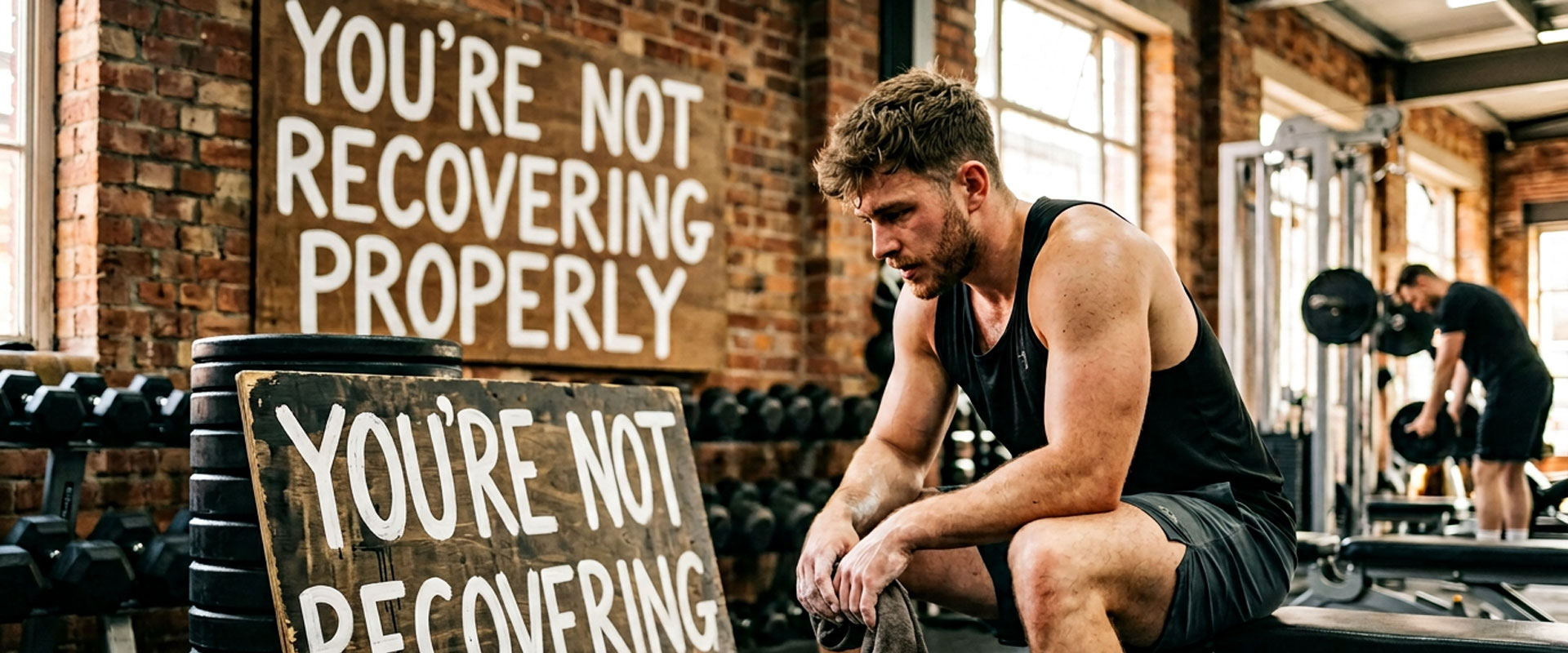
Muscles don’t grow in the gym — they grow when you recover.
If your recovery is poor, your progress will stall no matter how hard you train.
🔍 Common recovery issues:
- Sleeping less than 6–7 hours
- Training the same muscles too often
- High stress levels
✅ What to do:
- Get 7–9 hours of sleep per night
- Give muscles time to recover
- Avoid overtraining
Recovery is often overlooked, but it’s just as important as training and nutrition.
You’re Expecting Results Too Fast
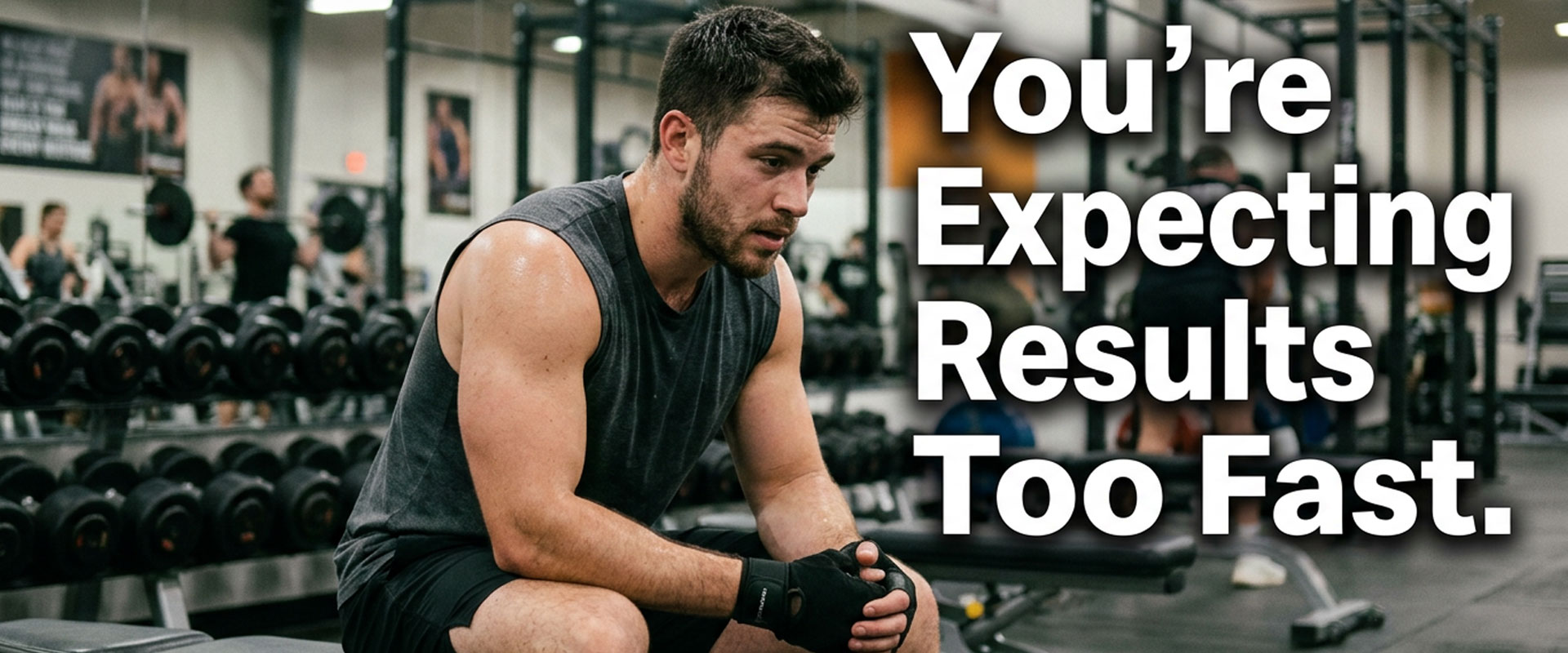
This is a big one.
Muscle growth is slow — much slower than fat loss. If you’re expecting dramatic changes in a few weeks, you’ll feel like nothing is working.
🧠 Reality check:
- Beginners: ~0.5–1kg muscle per month (at best)
- Intermediate lifters: even slower
✅ What to do:
- Focus on consistency over months, not weeks
- Track progress with:
- Strength increases
- Photos
- Body measurements
Small improvements add up over time.
You’re Not Training Hard Enough
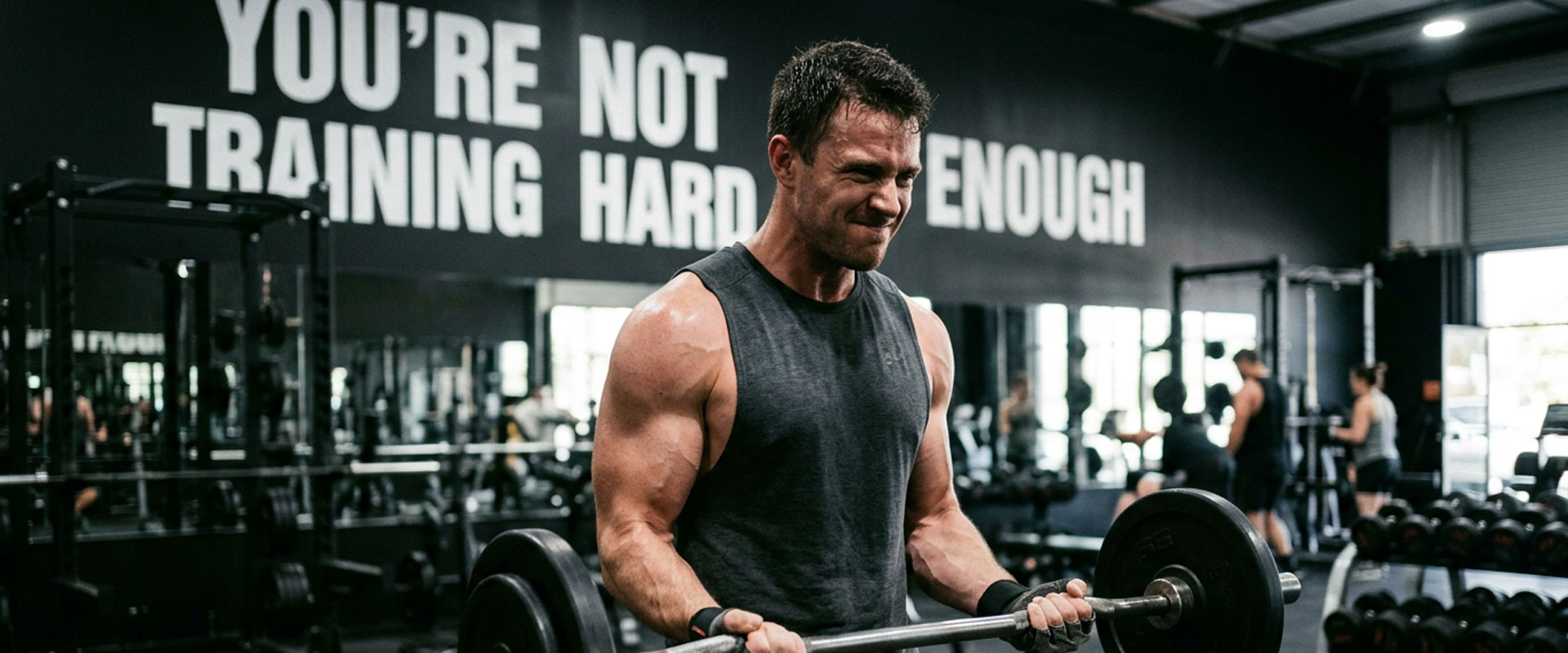
Just going to the gym isn’t enough.
If your sets are too easy, your muscles have no reason to grow.
🔍 Signs:
- You finish workouts without fatigue
- You stop sets far from failure
- You don’t feel a strong muscle stimulus
✅ What to do:
- Train close to failure (1–2 reps left in the tank)
- Control your reps (don’t rush)
- Focus on mind-muscle connection
Intensity matters more than just showing up.
Your Food Quality Isn’t Great
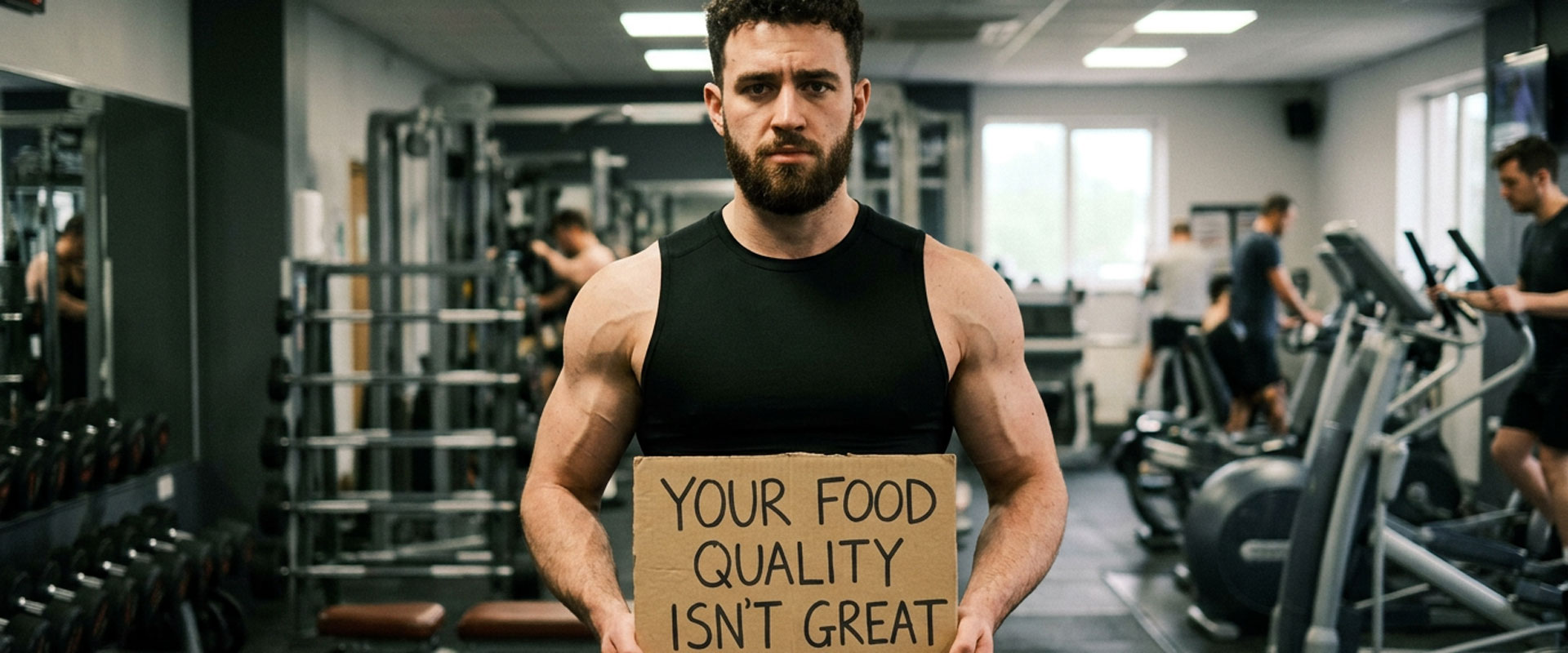
Yes, calories matter — but food quality still plays a role.
If your diet is mostly processed foods, your performance, digestion, and recovery can suffer.
✅ What to focus on:
- Whole foods
- Balanced meals
- Micronutrients (vitamins & minerals)
A strong nutritional base supports better training and recovery.
What To Do Starting Today (Simple Plan)
If you want to start gaining muscle, don’t overcomplicate it.
Follow this:
✅ 1. Eat in a surplus
Add 300–500 calories daily
✅ 2. Hit your protein target
1.6–2.2g per kg body weight
✅ 3. Train with progression
Track lifts and improve weekly
✅ 4. Sleep properly
7–9 hours every night
✅ 5. Stay consistent
Give it at least 8–12 weeks
Final Thoughts
If you’ve been wondering “why am I not gaining muscle?”, the answer is usually not complicated — but it does require honesty.
You’re either:
- Not eating enough
- Not training effectively
- Not recovering properly
- Or not being consistent long enough
Fix these, and your body will respond.
If you’re still struggling to grow, start by fixing your calorie intake first — because without a proper surplus, nothing else will work. Here’s a complete breakdown of how many calories you need to gain muscle effectively.
Muscle growth isn’t about secrets or shortcuts — it’s about doing the basics consistently and correctly.


Join the Discussion