

How to build lean muscle is one of the most common fitness goals — and one of the most misunderstood. There’s a lot of confusion about how much to train, what to eat, when to rest, and how long it actually takes. If you feel like you’re putting in the work but not gaining muscle, you’re probably missing one of the key pieces this guide covers. Let’s fix that.
Whether you’re just starting or you’ve been training for a while and feel like progress has stalled, the principles here apply to everyone. By the end, you’ll understand exactly what your body needs to build lean muscle — and how to put it into practice.
Quick reference: what you need to know at a glance
| Goal | Training | Nutrition |
|---|---|---|
| Build lean muscle | 3–5x resistance/week | High protein + small surplus |
| Lose fat + gain muscle | 3–4x resistance/week | Protein + slight deficit |
| Beginner | 2–3x full body | Meet protein targets first |
What does ‘lean muscle’ actually mean?
Lean muscle refers to muscle mass that increases your strength and definition without a large gain in body fat. It’s the goal of most people who train — you want to look athletic and feel strong, not just add bulk.
The difference between building lean muscle and bulking comes down to how aggressively you eat in a calorie surplus. Lean muscle building uses a small, controlled surplus so your body adds muscle without storing excessive fat alongside it.
You cannot build muscle and lose fat at the same rate at the same time — but you can do both simultaneously if you’re a beginner, returning to training after a break, or carrying a meaningful amount of body fat.
How does muscle growth actually work?
Muscle growth — known as hypertrophy — is triggered when you place your muscles under sufficient stress during training. That stress causes tiny tears in the muscle fibres. During recovery, your body repairs and rebuilds those fibres slightly thicker and stronger than before.
Three things must happen for this process to work:
- Mechanical tension — your muscles must work against resistance that challenges them
- Metabolic stress — the burn and fatigue you feel during a set signals your body to adapt
- Muscle damage — controlled micro-tears during training are the stimulus for growth
Training provides the trigger. But without the right nutrition and recovery, the growth simply won’t happen. All three pillars — training, nutrition, and recovery — need to work together.
How to build lean muscle: the training fundamentals
How often should you train?
For most people, training each muscle group 2–3 times per week produces the best results. This gives enough stimulus for growth without outrunning your recovery.
A common starting point:
- Beginners: 2–3 full-body sessions per week
- Intermediate: 3–4 sessions using an upper/lower or push/pull/legs split
- Advanced: 4–5 sessions with a more structured split
Sets, reps, and weight
For lean muscle building, most evidence points to the 6–12 rep range as optimal for hypertrophy, performed with weights that genuinely challenge you by the final rep.
- 3–5 sets per exercise for most movements
- 6–12 reps per set, with the last 2–3 reps feeling hard
- Rest 60–90 seconds between sets for hypertrophy; up to 3 minutes for strength-focused work
Progressive overload — the most important principle
Your muscles adapt. If you lift the same weight for the same reps every session, your body stops growing because there’s no new challenge. Progressive overload means consistently making your training slightly harder over time — adding a rep, adding a small amount of weight, or reducing rest time.
Keep a training log. Even a simple note on your phone recording sets, reps, and weight means you can see exactly where to push harder next session.
The best exercises for lean muscle
Compound movements — exercises that work multiple muscle groups at once — should form the backbone of your training. They deliver the most stimulus per session and give you the best return on your time.
Key compound movements to include:
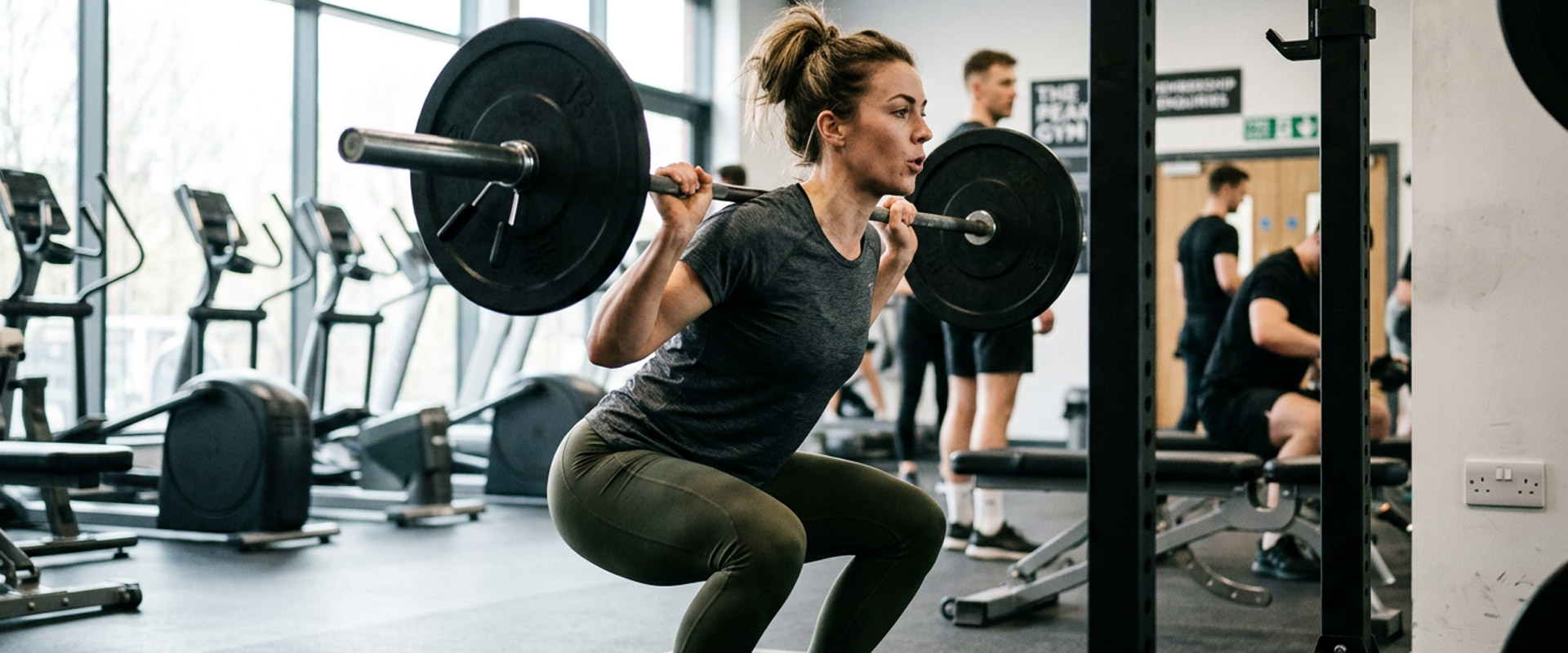
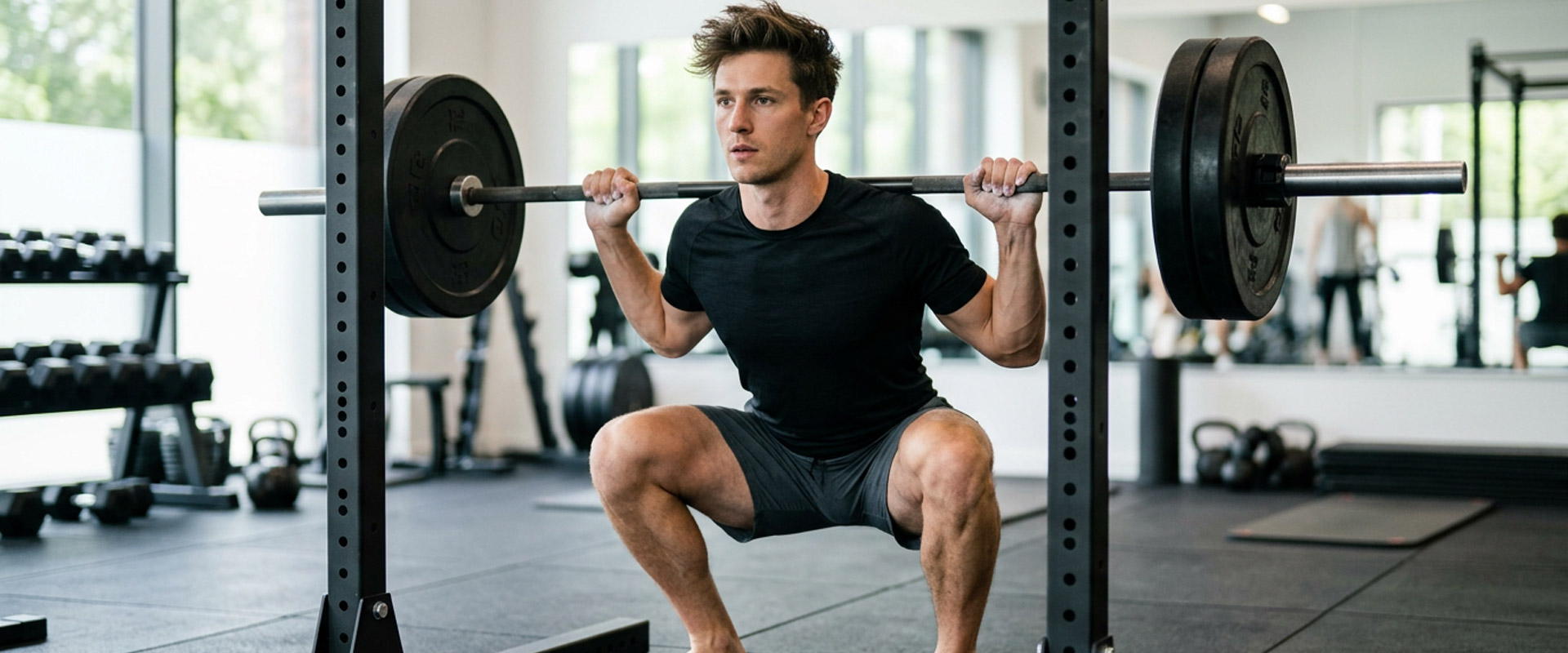
- Squat (quads, glutes, core)
- Deadlift (posterior chain, back, core)
- Bench press or push-up variations (chest, shoulders, triceps)
- Row variations (back, biceps, rear delts)
- Overhead press (shoulders, triceps, upper back)
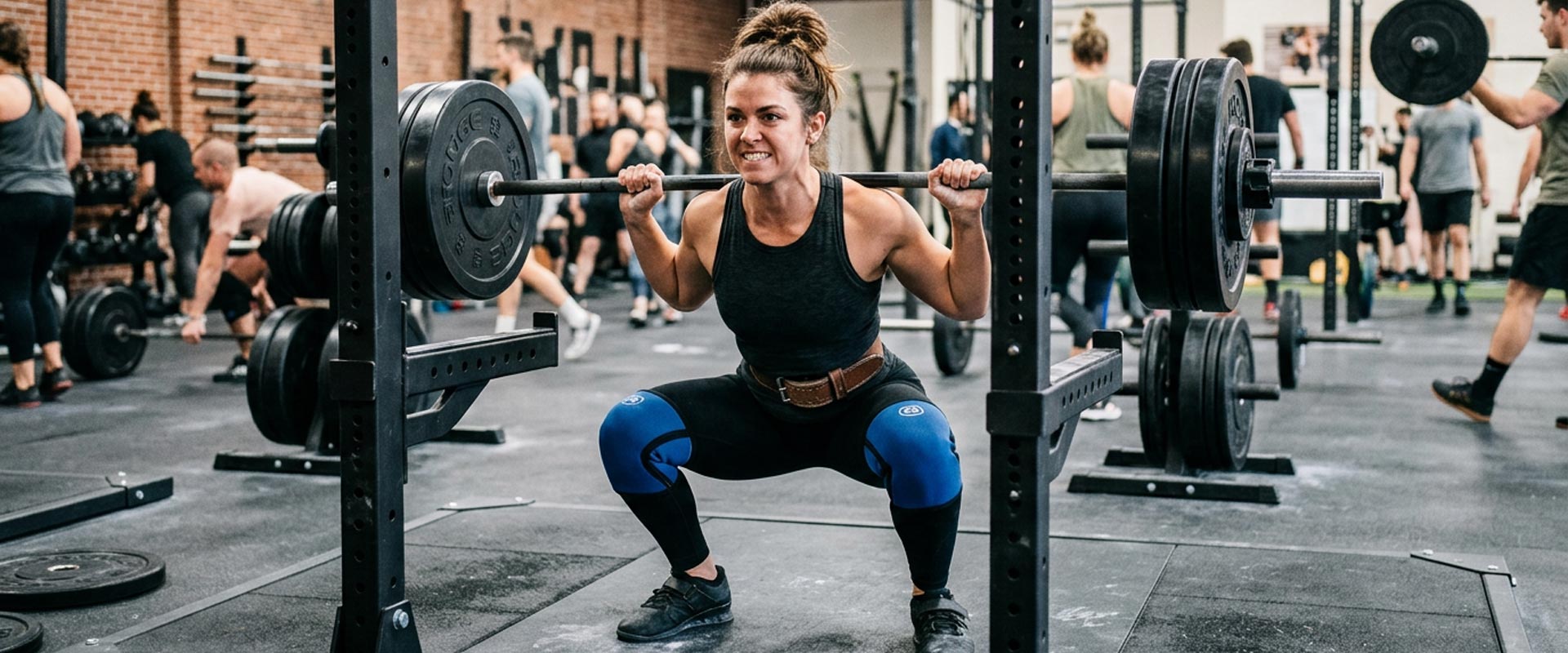
Isolation exercises (curls, lateral raises, calf raises) are useful additions — but build your sessions around the big compound lifts first. If calf development is a specific goal, we cover exactly how to build calf muscle in a dedicated guide.
Nutrition: what to eat to support lean muscle growth
If you want to know how to build lean muscle effectively, you can’t ignore nutrition. Training creates the stimulus. Nutrition provides the materials. Without the right fuel, your body cannot build new muscle tissue — no matter how hard you train. For practical ideas on what to actually eat, our high protein meals for muscle gain guide is worth bookmarking alongside this one.
To further enhance your progress, especially if you’re looking to optimise your nutritional strategy, exploring the best supplements for muscle gain can provide that extra edge.
Protein: your most important nutrient
Protein is the building block of muscle. Your body needs it to repair and rebuild muscle fibres after training.
A practical target for most people is:
0.7–1g of protein per pound of bodyweight (1.6–2.2g per kg) per day. A 75kg person should aim for roughly 120–165g of protein daily.
Good protein sources to prioritise:
- Chicken, turkey, beef, and lean pork
- Fish and seafood — especially salmon and tuna
- Eggs and egg whites
- Greek yoghurt, cottage cheese, and low-fat dairy
- Legumes, lentils, and tofu for plant-based options
- Protein powder as a convenient top-up (not a replacement for whole food)
Wondering whether you actually need to hit those targets every single day? We get into that in detail in our article on whether can you build muscle without protein — the answer is more nuanced than most people think.
Calories: eating to support growth
To build lean muscle, your body generally needs a calorie surplus — more calories in than you burn. But the keyword is small. A surplus of 200–300 calories per day above your maintenance level is enough to fuel muscle growth while minimising fat gain.
If you’re not sure what your maintenance calories are, a simple starting point is to multiply your bodyweight in pounds by 15–16. For a more accurate breakdown of how many calories to gain muscle based on your specific stats and goal, we’ve covered the full calculation in a separate guide.
Carbohydrates and fats
Protein gets most of the attention, but carbohydrates and fats matter too.
Carbohydrates are your body’s preferred energy source for training. Complex carbs — oats, rice, potatoes, whole grains — fuel your workouts and support recovery. Don’t cut them out.
Fats support hormone production (including testosterone, which plays a role in muscle growth) and absorb fat-soluble vitamins. Aim for healthy fat sources like olive oil, avocado, nuts, and oily fish.
Meal timing around training
When you eat matters — but less than most people think. The total amount of protein and calories you consume across the day is more important than precise timing.
That said, two windows are worth paying attention to:
- Getting your best pre workout meal right (1–2 hours before) — a combination of protein and carbohydrates gives you energy for the session and starts the muscle-building process
- Your best post workout meal (within 1–2 hours after) — prioritise protein and some carbohydrates to kickstart recovery while your muscles are primed to absorb nutrients
Recovery: the part most people underestimate
Muscle isn’t built in the gym — it’s built during recovery. Training is the stimulus; rest is when the adaptation actually happens.
Sleep
Sleep is your most powerful recovery tool. During deep sleep, your body releases growth hormone and repairs muscle tissue. Most adults need 7–9 hours for optimal recovery.
If your sleep quality is poor, your muscle-building results will suffer — even if your training and nutrition are perfect. It’s not optional.
Rest days
Rest days don’t mean doing nothing — they mean not training the same muscles. Active recovery (walking, light stretching, swimming) on rest days improves blood flow and helps clear the soreness from the previous session.
For most people, 1–2 full rest days per week is appropriate. If you’re constantly sore, fatigued, or feel like your performance is declining, you may need more.
Stress and cortisol
Chronic stress raises cortisol levels, which suppresses testosterone and interferes with muscle protein synthesis. Exercise is a brilliant stress management tool, but it also adds physical stress to your body.
If you’re going through a stressful period at work or in life, be realistic about your training volume. Pushing hard in the gym while your cortisol is already elevated can slow progress.
Watch: The Surprising New Science of Recovery to Build More Muscle
Dr Mike Israetel — Professor of Exercise and Sport Science at Lehman College and Co-Founder of Renaissance Periodisation — breaks down the science of recovery in this in-depth conversation with Chris Williamson. If you want to build lean muscle faster, understanding how your body actually recovers from training is just as important as the sessions themselves. Covers fatigue measurement, the most effective recovery methods, common mistakes, and what the evidence actually says about supplements, saunas, and cold plunges.
Source: Modern Wisdom Podcast — Chris Williamson, YouTube (Sept 2024)
How long does it take to build lean muscle?
One of the most common questions from people starting on how to build lean muscle — and the honest answer is: slower than most people expect, but faster than most people fear once they’re consistent.
Rough benchmarks for natural muscle gain:
- Beginner (0–1 year training): 1–2 lbs (0.5–1kg) of muscle per month is realistic. Beginners gain the fastest because everything is new to the body.
- Intermediate (1–3 years): 0.5–1 lb (0.25–0.5kg) per month. Progress slows, but the quality of the muscle improves.
- Advanced (3+ years): 0.25 lbs (0.1kg) per month or less. Gains are harder earned but still achievable.
Give any new training programme at least 8–12 weeks before judging it. Visible changes in muscle size typically take 4–8 weeks to appear — stick with it consistently before making changes.
Common mistakes that slow your progress
Most people who aren’t gaining muscle are making one of these mistakes:
Not eating enough protein
This is the most common mistake by a significant margin. Most people dramatically underestimate how much protein they actually eat, and dramatically overestimate how much they need for ‘just a workout’. Track your intake for a week — you might be surprised.
Not training with enough intensity
Going through the motions doesn’t build muscle. Your last few reps of each set should feel genuinely difficult. If you’re not getting close to failure, the stimulus isn’t strong enough.
Changing programmes too frequently
Switching to a new programme every 3–4 weeks prevents you from getting good at the movements and tracking progressive overload. Stick with a programme for at least 8–12 weeks before evaluating it.
Neglecting sleep and recovery
Training hard and sleeping 5–6 hours a night is a losing battle. Your muscles grow while you sleep. Treat sleep as a training variable, not an afterthought.
Expecting fast results
Building lean muscle is a slow process. Visible results take weeks; significant changes take months. The people who achieve impressive results are rarely those with the best programmes — they’re the ones who stayed consistent long enough for the results to compound.
Still not seeing progress despite doing everything right? Our full breakdown of why am I not gaining muscle goes through the most likely culprits in detail.
A simple starting framework
If you’re not sure where to begin with how to build lean muscle, this framework works for most people:
Training
- 3 sessions per week, full body
- 4–5 exercises per session, built around compound movements
- 3 sets of 8–10 reps per exercise
- Add weight or reps every 1–2 sessions (progressive overload)
- 1–2 rest days between sessions
Nutrition
- Eat 0.7–1g protein per lb of bodyweight (high protein meal ideas here)
- Add 200–300 calories above your maintenance intake
- Eat protein at every meal — don’t leave it all for dinner
- Eat a solid pre-workout meal 1–2 hours before training
- Have a post-workout meal with protein and carbs within 1–2 hours of finishing
Recovery
- Aim for 7–9 hours of sleep per night
- Take at least 1–2 rest days per week
- Manage stress where possible — it affects your results
The bottom line
Learning how to build lean muscle isn’t complicated — but it does require consistency. Train hard, eat enough protein, sleep well, and repeat. Give it time and don’t let short-term impatience derail a long-term result.
The gains will come. Give it time, trust the process, and don’t let short-term impatience derail a long-term result.
Check our related guides to dive deeper into specific areas: how many calories you should eat to gain muscle, what to eat before and after training, and common reasons people stop making progress.


Join the Discussion