

Building muscle, a process scientifically known as hypertrophy, is a journey that demands dedication, consistency, and a well-rounded approach. While the focus often falls on lifting weights, true muscle growth fundamentally hinges on a synergistic combination of effective resistance training, adequate nutrition, sufficient rest, and, for some, strategic supplementation. At Mintline, we understand that navigating the world of supplements can be overwhelming, which is why we’ve put together this comprehensive guide to help you identify the best supplements for muscle gain, backed by science and practical experience.
It’s crucial to remember that supplements are precisely that – supplements. They are designed to complement an already solid foundation, not replace it. Think of them as optimisers, giving you that extra edge when your core pillars of diet, training, and recovery are firmly in place.
Understanding the Foundations of Muscle Gain: Beyond Supplements
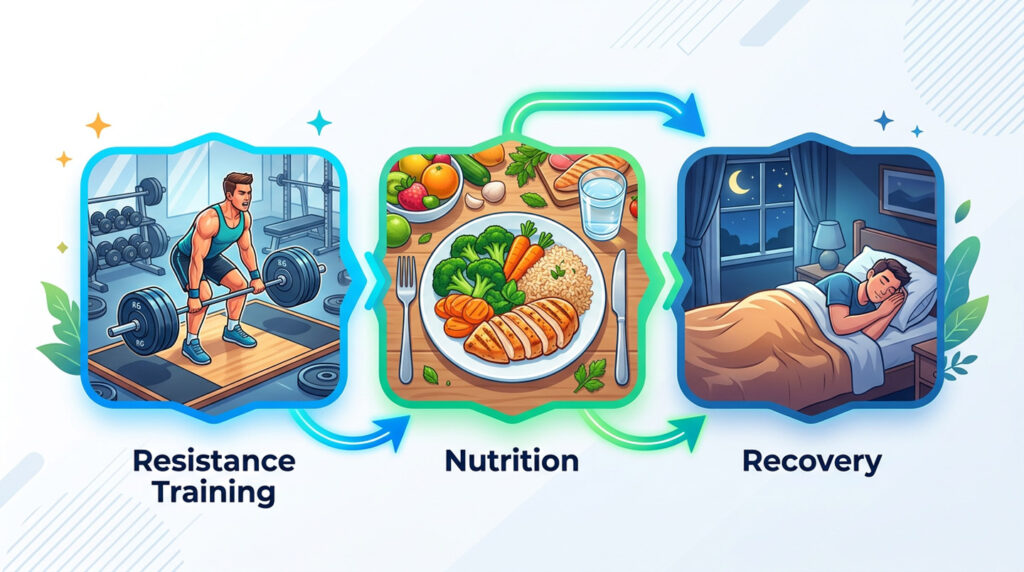
Before diving into specific products, let’s reiterate the non-negotiables for muscle growth. Without these in check, even the most expensive supplements will offer minimal benefit.
The Role of Diet and Training
Your diet is paramount for muscle growth. To facilitate hypertrophy, you need to be in a slight calorie surplus, meaning you consistently consume more calories than you burn. These calories should come from a balanced intake of macronutrients: protein intake is crucial for muscle repair and growth, carbohydrates provide essential energy for workouts, and healthy fats support hormonal function. We’ve explored this in detail in our guide on how many calories you should eat to gain muscle. Ensuring you get enough protein is especially critical; if you’re wondering, “Can you build muscle without protein?” the answer is a resounding no.
Resistance training is the primary stimulus for muscle growth. Progressive overload – consistently challenging your muscles with heavier weights, more reps, or increased volume – is key. Without this stimulus, your muscles have no reason to adapt and grow. If you’re struggling, our article on “Why am I not gaining muscle?” offers valuable insights and fixes.
The Importance of Recovery and Sleep
Often overlooked, adequate recovery is just as vital as training and nutrition for muscle growth. Your muscles don’t grow in the gym; they grow during rest. This includes active recovery days, managing stress, and crucially, getting enough quality sleep. During sleep, your body releases growth hormones and repairs muscle tissue, making it a non-negotiable component of any effective muscle-building programme.
When to Consider Supplements
Supplements become relevant when your diet, resistance training, and recovery are consistent and optimised. They can help fill nutritional gaps, enhance performance, speed up recovery, or provide an extra boost that’s hard to achieve through whole foods alone. For instance, if you struggle to hit your daily protein intake targets through meals like our high protein meals for muscle gain, a protein powder can be incredibly convenient.
Essential Supplements for Muscle Growth: What Works and Why
Let’s cut through the noise and focus on the supplements with the most robust scientific backing for muscle gain.
Protein Powder: The Building Block
Protein is unequivocally essential for muscle growth, repair, and recovery. After strenuous resistance training, your muscles undergo micro-tears, and they require a steady supply of amino acids to rebuild and adapt, leading to hypertrophy. Protein powder offers a highly convenient and efficient way to meet your elevated daily protein intake requirements, especially when whole food sources might be impractical or insufficient.
There are several types of protein powders, each with distinct characteristics:
- Whey Protein: A fast-digesting protein derived from milk, rich in BCAAs. It’s ideal for post-workout consumption due to its rapid absorption, quickly delivering amino acids to muscles to kickstart muscle protein synthesis. This is a key protein powder benefit for immediate recovery.
- Casein Protein: Also milk-derived, but digests slowly, providing a sustained release of amino acids over several hours. This makes it excellent for consumption before bed or during longer periods between meals to prevent muscle breakdown.
- Plant-Based Protein: Options like pea, rice, or soy protein cater to dietary preferences and can be equally effective, especially when blends are used to ensure a complete amino acid profile. These are excellent for those following vegetarian or vegan diets.
The protein powder benefits extend beyond just post-workout. It helps ensure you hit your daily protein targets, which is crucial for sustained muscle growth. For more on this, check out our Muscle Nutrition category.
- Primary Benefit: Maximises muscle protein synthesis, aids muscle repair, and accelerates recovery.
- Recommended Dosage: A typical protein dosage is 20-40g per serving. Most individuals aim for 1.6-2.2g of protein per kilogram of body weight daily, spread across meals and supplements. You might consume 1-3 servings daily, depending on your overall dietary intake.
- Best Timing: Protein timing is flexible, but key windows include post-workout (within 30-60 minutes for rapid delivery), between meals to maintain amino acid levels, and before bed (especially casein) for overnight recovery.
Creatine: Power and Performance
Creatine monohydrate is arguably the most scientifically validated and effective supplement for enhancing muscle growth and performance. It works by increasing the body’s stores of phosphocreatine, which in turn helps regenerate ATP production (adenosine triphosphate) – the primary energy currency for short, intense bursts of activity, such as weightlifting. This means you can perform more reps, lift heavier weights, and ultimately stimulate greater hypertrophy.
The creatine benefits are extensive, including increased creatine for strength, power output, and improved exercise performance. It can also lead to an increase in muscle cell volume due to water retention, contributing to a fuller, more muscular appearance.
- Primary Benefit: Significantly increased creatine for strength, power, and muscle volume, leading to enhanced muscle growth.
- Recommended Dosage: The most common approach is a daily maintenance creatine dosage of 3-5g. Some individuals opt for a creatine loading phase, taking 20g per day (split into 4 doses) for 5-7 days, followed by the maintenance dose. This can saturate muscle stores faster, but is not strictly necessary; consistent daily intake will achieve the same results over a slightly longer period.
- Best Timing: The creatine benefits are not acutely dependent on timing. Consistency is far more important than whether you take it pre- or post-workout. You can take it any time of day, perhaps mixed with your protein shake or a meal.
- Potential Side Effects: Creatine is generally very safe for most healthy individuals. The most commonly reported creatine side effects are mild gastrointestinal discomfort or water retention during the loading phase. Ensuring adequate hydration can help mitigate these. Always consult a professional if you have kidney issues or other pre-existing health conditions.
Branched-Chain Amino Acids (BCAAs): Recovery and Reduction of Muscle Soreness
Branched-Chain Amino Acids (BCAAs) – leucine, isoleucine, and valine – are three of the nine essential amino acids (EAAs). They are unique due to their molecular structure and how they are metabolised, primarily in muscle tissue rather than the liver. BCAAs are crucial for muscle protein synthesis and can help reduce muscle breakdown during exercise. While a complete protein source will naturally provide BCAAs, supplementing them can offer specific BCAA benefits, particularly during fasted training, intense training phases, or when aiming to minimise muscle soreness.
Leucine, in particular, is recognised as the primary driver of muscle protein synthesis, acting as a signalling molecule to initiate the muscle-building process. Isoleucine and valine contribute to energy production and glucose uptake into cells.
- Primary Benefit: Stimulates muscle protein synthesis, reduces muscle breakdown, aids in faster recovery, and decreases exercise-induced muscle soreness.
- Recommended Dosage: A typical dose ranges from 5-10g per serving, often with a leucine-dominant ratio (e.g., 2:1:1 or 4:1:1 leucine:isoleucine:valine).
- Best Timing: Can be consumed before, during, or after workouts to support intra-workout endurance and post-workout recovery. They can also be beneficial between meals if protein intake is low or during periods of caloric restriction to help preserve muscle mass.
Essential Amino Acids (EAAs): The Full Spectrum
While BCAAs are often highlighted, Essential Amino Acids (EAAs) encompass all nine amino acids that the body cannot produce on its own and must obtain through diet. These include the three BCAAs, plus histidine, lysine, methionine, phenylalanine, threonine, and tryptophan. For optimal muscle protein synthesis and overall muscle repair, all nine EAAs are required. If your diet lacks a complete amino acid profile from whole protein sources, an EAA supplement can be highly beneficial.
- Primary Benefit: Provides all necessary building blocks for complete muscle protein synthesis, supports overall recovery, and ensures a comprehensive amino acid profile for muscle repair and growth.
- Recommended Dosage: Typically 5-10g per serving, often consumed in conjunction with or instead of BCAAs, especially if dietary protein intake is inconsistent.
- Best Timing: Similar to BCAAs, EAAs can be taken around workouts or between meals to ensure a constant supply of amino acids for muscle maintenance and growth.
Beta-Alanine: Boosting Endurance
Beta-alanine is a non-essential amino acid that, when supplemented, increases intramuscular carnosine levels. Carnosine acts as an intracellular buffer, helping to neutralise hydrogen ions that accumulate during high-intensity exercise. This buffering action delays the onset of fatigue, allowing you to perform more repetitions, sets, or sustain high-intensity efforts for longer periods. It’s particularly effective for activities lasting between 60 seconds and 4 minutes, making it a valuable pre-workout ingredient for those engaged in resistance training or high-intensity interval training.
- Primary Benefit: Increased muscular endurance, delayed fatigue reduction, and improved work capacity during high-intensity exercise.
- Recommended Dosage: A typical daily beta-alanine dosage is 2-5g. It’s often recommended to split this into smaller doses (e.g., 800mg-1.6g) throughout the day to minimise the common tingling sensation (paresthesia) that can occur with larger single doses.
- Best Timing: Consistency is key, as it takes time to build up carnosine stores. It can be taken any time of day, with or without food. Many include it as part of their pre-workout ingredients stack.
Citrulline Malate: Enhancing Blood Flow and Performance
Citrulline malate is a compound that has gained popularity as a pre-workout ingredient due to its ability to enhance nitric oxide production in the body. Nitric oxide helps to relax and widen blood vessels, leading to improved blood flow to working muscles. This can result in better nutrient and oxygen delivery, more efficient waste product removal, and a noticeable ‘pump’ during workouts. Improved blood flow can contribute to increased endurance and fatigue reduction during intense training sessions.
- Primary Benefit: Enhanced blood flow, improved exercise performance, increased endurance, and reduced muscle soreness.
- Recommended Dosage: Typically 6-8g of citrulline malate taken 30-60 minutes before exercise.
- Best Timing: Pre-workout, as part of a performance-enhancing stack.
HMB (Beta-hydroxy-beta-methylbutyrate): Minimising Muscle Breakdown
HMB is a metabolite of leucine (one of the BCAAs) that has been shown to reduce muscle protein breakdown, particularly during periods of intense training or caloric restriction. It may help preserve muscle mass and improve recovery.
- Primary Benefit: Reduced muscle breakdown, improved recovery.
- Recommended Dosage: 1-3g daily.
- Best Timing: Split into 2-3 doses throughout the day, often with meals.
Comparing Top Muscle Gain Supplements: A Quick Guide
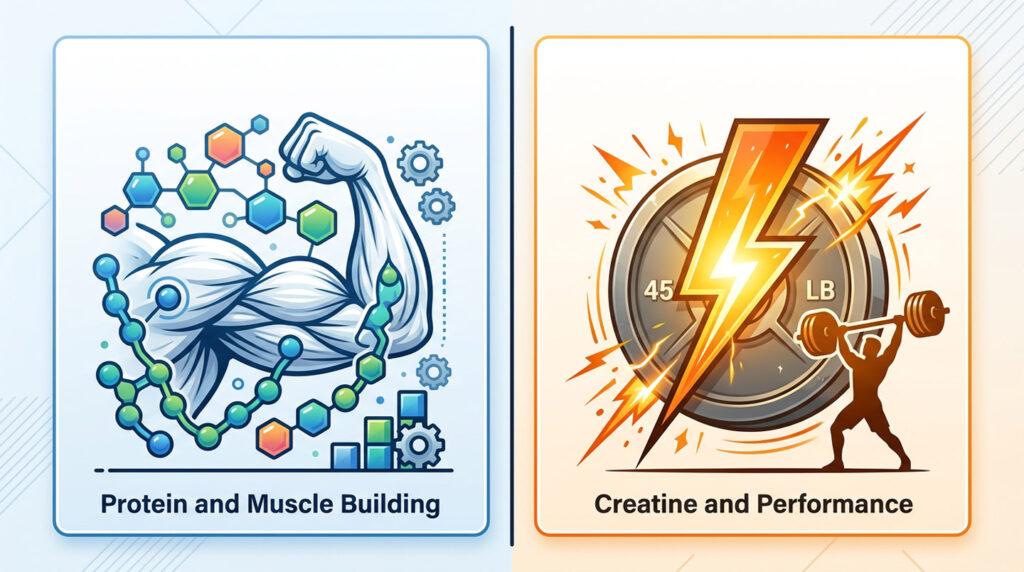
To help you decide which supplements might be best for your goals, here’s a comparison of some key players:
| Supplement | Primary Benefit | Recommended Dosage | Best Timing | Who It’s For |
|---|---|---|---|---|
| Protein Powder | Muscle repair & growth | 20-40g | Post-workout, between meals, before bed | Everyone, especially those with high protein needs |
| Creatine | Strength, power, muscle volume | 3-5g daily | Any time (consistency is key) | Most athletes and lifters |
| BCAAs | Stimulates muscle protein synthesis, reduces muscle breakdown, aids recovery | 5-10g | Before/during/after workouts, between meals | Fasted training, intense training, recovery focus |
| EAAs | Complete muscle protein synthesis, comprehensive amino acid profile | 5-10g | Around workouts, between meals | Those with inconsistent protein intake, comprehensive recovery |
| Beta-Alanine | Increased muscular endurance | 2-5g daily | Split doses throughout the day | Endurance athletes, high-rep lifters |
| HMB | Minimises muscle breakdown, recovery | 1-3g daily | Split doses with meals | Intense training, caloric deficit, recovery focus |
Protein vs. Creatine: Which One First?
If you’re a beginner looking to start with just one or two supplements, protein powder and creatine are often the top recommendations. Protein powder addresses your fundamental need for muscle building blocks, while creatine directly enhances performance. Many choose to start with protein powder to ensure adequate daily intake, then add creatine for performance benefits. Both are highly effective and complement each other well.
BCAAs vs. HMB: Optimising Recovery
Both BCAAs and HMB play roles in recovery and reducing muscle breakdown. BCAAs are broader in their application, supporting muscle protein synthesis and reducing fatigue. HMB is more specific to reducing muscle breakdown, particularly in catabolic states. For most, ensuring adequate protein intake covers BCAA needs. HMB might be considered by those in a calorie deficit or undergoing extremely intense training phases where muscle preservation is a priority.
Advanced Supplements and Niche Considerations
Beyond the core supplements, several others can play a supportive role in optimising muscle growth, recovery, and overall health. These are often considered once your foundational stack is in place and your diet and training are dialled in.
Omega-3 Fatty Acids: Inflammation and Overall Health
Omega-3 fatty acids, particularly EPA (eicosapentaenoic acid) and DHA (docosahexaenoic acid), are essential fats known for their powerful anti-inflammatory properties. While not directly building muscle, chronic inflammation can hinder recovery and overall progress. By reducing systemic inflammation, omega-3s can support faster recovery, reduce muscle soreness, and contribute to overall joint health, indirectly aiding consistent training and muscle growth.
- Primary Benefit: Reduced inflammation, improved joint health, and enhanced overall recovery.
- Recommended Dosage: Typically 1-3g of combined EPA and DHA daily, often from fish oil supplements.
- Best Timing: Can be taken with meals at any time of day.
Vitamin D, Zinc, and Magnesium: Hormonal and Recovery Support
These micronutrients are often overlooked but play critical roles in numerous bodily functions, including hormone support, immune function, and muscle contraction. Deficiencies in any of these can impair performance and recovery.
- Vitamin D: Often referred to as the ‘sunshine vitamin’, Vitamin D is crucial for bone health, immune function, and has been linked to testosterone levels, which are vital for muscle growth. Many individuals in the UK are deficient, especially during winter months.
- Primary Benefit: Bone health, immune support, and potential hormone support (testosterone).
- Recommended Dosage: 1000-4000 IU (25-100mcg) daily, depending on sun exposure and existing levels.
- Zinc: An essential mineral involved in protein synthesis, immune function, and testosterone production. Adequate zinc levels are important for maintaining optimal hormonal balance and recovery.
- Primary Benefit: Immune function, hormone support, and protein synthesis.
- Recommended Dosage: 15-30mg daily.
- Magnesium: Involved in over 300 enzymatic reactions in the body, magnesium plays a role in muscle and nerve function, blood glucose control, and energy production. It can also aid in sleep quality, which is paramount for recovery.
- Primary Benefit: Muscle function, energy production, and improved sleep for recovery.
- Recommended Dosage: 200-400mg daily.
- Best Timing for all three: Can be taken with meals. Magnesium is often recommended in the evening due to its potential to aid sleep.How to Choose the Right Supplements for Your Goals
Selecting the right supplements is a personal process. Here’s how to approach it:
Assessing Your Current Diet and Training
Honestly evaluate your current eating habits and workout routine. Are you consistently hitting your protein targets? Are you progressively overloading your muscles? If not, address these fundamentals first. No supplement can fix a poor diet or inconsistent training.
Considering Your Experience Level (Beginner to Advanced)
- Beginners: Focus on protein powder and creatine. These provide the most significant benefits for foundational muscle growth and strength. Our guide on how to build lean muscle is a great starting point.
- Intermediate/Advanced: Once you’ve maximised the benefits of protein and creatine, you might explore beta-alanine for endurance, BCAAs/HMB for enhanced recovery during intense phases, or a pre-workout for a performance boost.
Safety, Quality, and Dosage: What to Look For
Prioritising the safety and quality of your supplements is paramount. Always look for reputable brands that demonstrate transparency and commitment to consumer health. This often means seeking out products that have undergone third-party testing by independent laboratories. Certifications such as Informed-Sport or similar programmes provide assurance that certified supplements are free from banned substances and accurately contain the ingredients listed on the label.
Adhering strictly to dosage recommendations is crucial. While the desire for faster results might tempt some to exceed suggested amounts, ‘more is not always better’. Overdosing can lead to potential side effects, ranging from mild digestive upset to more serious health complications. Always read the label carefully and follow the manufacturer’s guidelines.
Before introducing any new supplement, especially if you have pre-existing health conditions, are taking medication, or are pregnant/breastfeeding, we strongly advise consulting a professional. This could be your GP, a registered dietitian, or a qualified sports nutritionist. They can provide personalised advice, assess potential interactions, and ensure the supplements align with your individual health profile and fitness goals. Mintline advocates for an informed and responsible approach to supplementation, ensuring your journey to muscle gain is both effective and safe.
Optimising Your Supplement Stack for Lean Muscle Gain: Strategic Stacking and Timing
Building an effective supplement stack isn’t just about choosing individual products; it’s about understanding how they work together and when to take them to maximise their benefits. This strategic approach, often referred to as nutrient timing, can significantly contribute to optimising results for muscle growth, performance, and recovery.
Building Your Core Supplement Stack
For most individuals focused on muscle gain, a foundational supplement stack typically includes:
- Protein Powder: Essential for meeting daily protein targets, especially around workouts. Consider whey for post-workout and casein for sustained release.
- Creatine Monohydrate: A non-negotiable for strength, power, and muscle volume. Consistency is key.
- Essential Amino Acids (EAAs) or BCAAs: To support muscle protein synthesis and reduce breakdown, particularly if dietary protein intake is inconsistent or during intense training phases.
Advanced Additions for Enhanced Performance and Recovery
Once your core stack is established, you might consider adding:
- Beta-Alanine: For increased muscular endurance and delaying fatigue.
- Citrulline Malate: To enhance blood flow, improve performance, and reduce soreness.
- Omega-3 Fatty Acids: For overall health, inflammation reduction, and recovery.
- Vitamin D, Zinc, and Magnesium: To support hormonal balance and various physiological functions crucial for muscle growth.
The Importance of Nutrient Timing
While overall daily intake is paramount, strategic nutrient timing can provide an edge, particularly around your workouts:
- Pre-Workout Nutrition: While not strictly a supplement, ensuring you have consumed a balanced meal 1-3 hours before training (containing carbohydrates for energy and protein for muscle protection) is crucial. Some supplements, like citrulline malate and beta-alanine, are best taken 30-60 minutes before your session as part of your pre-workout nutrition strategy to enhance performance and focus.
- Intra-Workout: For longer or very intense sessions, sipping on a drink containing EAAs or BCAAs can help sustain performance and prevent muscle breakdown.
- Post-Workout Nutrition: This is a critical window for recovery and growth. Consuming a fast-digesting protein source (like whey protein) along with carbohydrates within 30-60 minutes post-exercise helps replenish glycogen stores and kickstart muscle repair. This is a key component of effective post-workout nutrition.
Remember, the goal of nutrient timing and a well-planned supplement stack is to support and enhance your consistent efforts in training and diet, ultimately optimising results for lean muscle gain.
Building lean muscle is a marathon, not a sprint. The best supplements for muscle gain are those that support your individual needs and complement your consistent efforts in the gym and kitchen. Start with the basics, assess your progress, and consider adding more specialised supplements as your training intensity and goals evolve. At Mintline, we’re committed to helping you achieve your fitness aspirations through informed choices and practical advice. For more insights into your fitness journey, explore our Training & Muscle Building Tips section.




Join the Discussion