
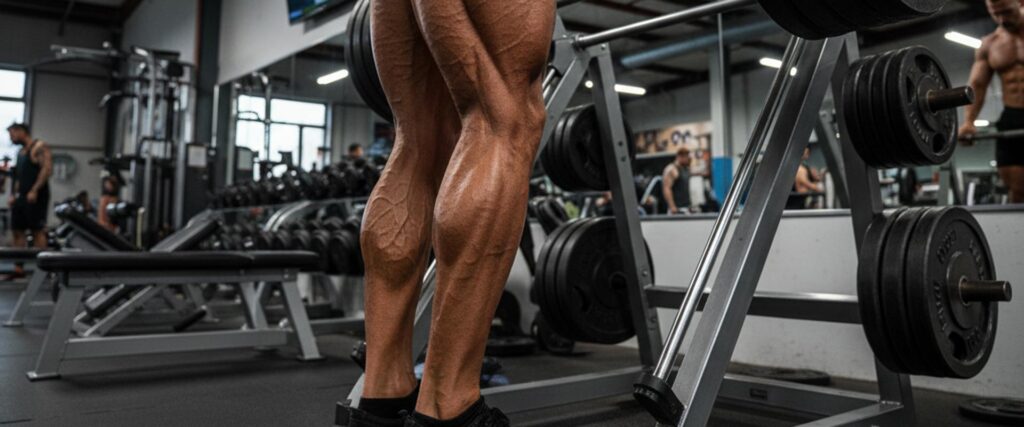
How to build calf muscle fast is one of the most common questions in strength training. Many people train consistently but struggle to see growth in their calves. While chest, arms, and abs often get the most attention, calves are frequently overlooked—despite being essential for performance, balance, and lower-body aesthetics.
Calf muscles are notoriously stubborn due to genetics, daily use, and improper training methods. The good news? With the right combination of exercises, volume, frequency, nutrition, and recovery, you can build calf muscle effectively.
This comprehensive guide will show you exactly how to build calf muscle, whether you’re a beginner or an experienced lifter.
Understanding Calf Muscle Anatomy
To build calf muscle efficiently, you need to understand how the calves work.
The Two Main Calf Muscles
Gastrocnemius
- The large, visible muscle that gives the calf its rounded shape
- Activated most when the leg is straight
- Best targeted with standing exercises
Soleus
- Lies underneath the gastrocnemius
- Plays a major role in endurance and stability
- Best trained with bent-knee movements
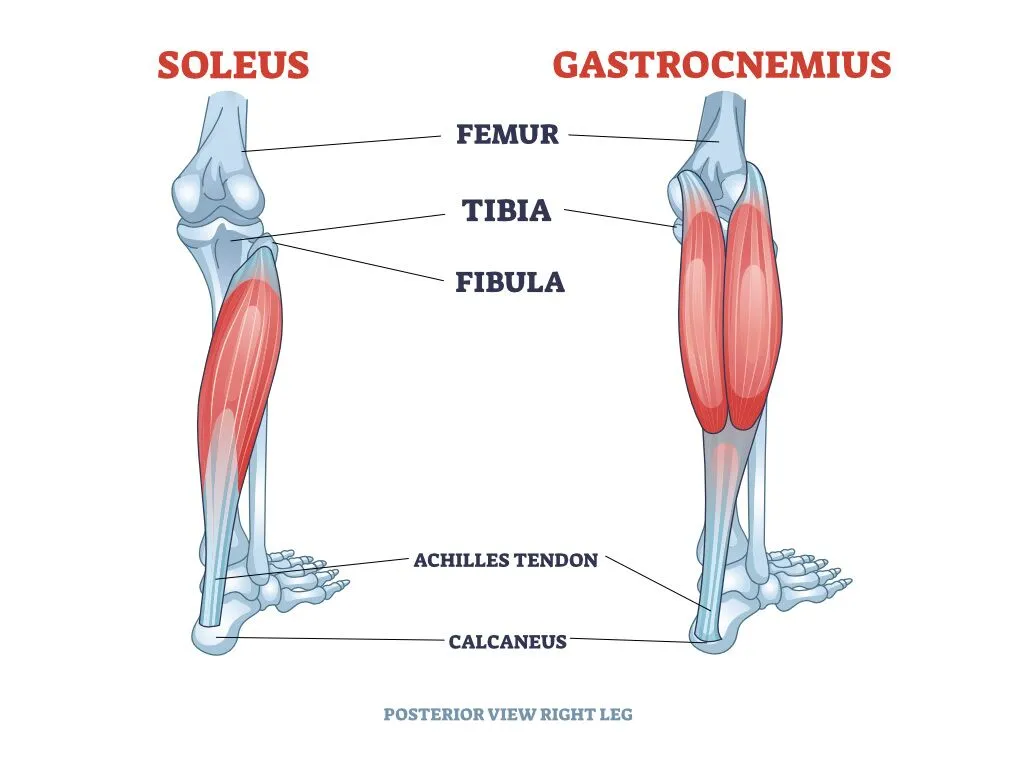
Balanced calf development requires training both muscles, not just one.
Why Calves Are Hard to Grow
Many people fail to build calf muscle due to common mistakes:
- Calves are used daily for walking and standing, making them highly resistant to growth
- Low training volume or poor exercise selection
- Limited range of motion during calf raises
- Ignoring slow, controlled movements
- Genetics influencing muscle shape and insertion points
Understanding these challenges helps you train smarter, not just harder.
Best Exercises to Build Calf Muscle Fast
1. Standing Calf Raises
- Targets the gastrocnemius
- Can be done with bodyweight, barbells, dumbbells, or machines
- Perform on an elevated surface for a deep stretch
If you’re learning how to build calf muscle fast, proper exercise form is essential. The video below demonstrates how to perform standing calf raises correctly, targeting both the gastrocnemius and soleus muscles for maximum growth. You can also watch this exercise directly on YouTube here.
Tip: Pause for 2–3 seconds at the top of each rep.
2. Seated Calf Raises
- Focuses on the soleus muscle
- Requires higher reps for optimal growth
- Excellent for building calf thickness
Recommended reps: 12–20 per set
3. Donkey Calf Raises
- Provides a strong stretch and contraction
- Highly effective but often overlooked
- Can be performed using machines or bodyweight
4. Single-Leg Calf Raises
- Improves muscle balance
- Increases time under tension
- Ideal for home or gym workouts
5. Jump Rope & Plyometric Movements
- Enhances muscle endurance
- Improves calf definition
- Great supplemental training method
How Often Should You Train to Build Calf Muscle Fast?
Calves recover faster than many other muscle groups due to their endurance nature.
Optimal Frequency
- Beginner: 2–3 times per week
- Intermediate/Advanced: 4–6 times per week
Short, frequent sessions are often more effective than one long calf workout.
Sets, Reps, and Tempo for Maximum Growth
Recommended Training Volume
- Sets per session: 6–12
- Total weekly sets: 15–30
- Reps per set: 8–20
Tempo Guidelines
- 2 seconds up
- 3 seconds down
- 1–2 second pause at full contraction
This slow tempo maximises muscle activation and reduces momentum.
Progressive Overload: The Key to Bigger Calves
To build calf muscle, you must continuously challenge them.
Ways to apply progressive overload:
- Increase weight gradually
- Add extra reps or sets
- Increase time under tension
- Shorten rest periods
Track your progress weekly to ensure consistent improvement.
Nutrition for Building Calf Muscle
Protein Intake
Aim for 1.6–2.2g of protein per kg of bodyweight daily.
Not sure what to eat to hit those numbers? These 10 easy high protein meals for muscle gain will give you a practical starting point.
High-quality protein sources:
- Lean meat
- Eggs
- Dairy
- Fish
- Plant-based proteins
Calories Matter
You need a caloric surplus to grow muscle. If you’re not eating enough, your calves won’t grow—no matter how hard you train.
Find out exactly how many calories you should eat to gain muscle based on your body weight.
Hydration & Minerals
Calf muscles are prone to cramping. Ensure adequate intake of:
- Magnesium
- Potassium
- Sodium
Recovery and Stretching for Calf Growth
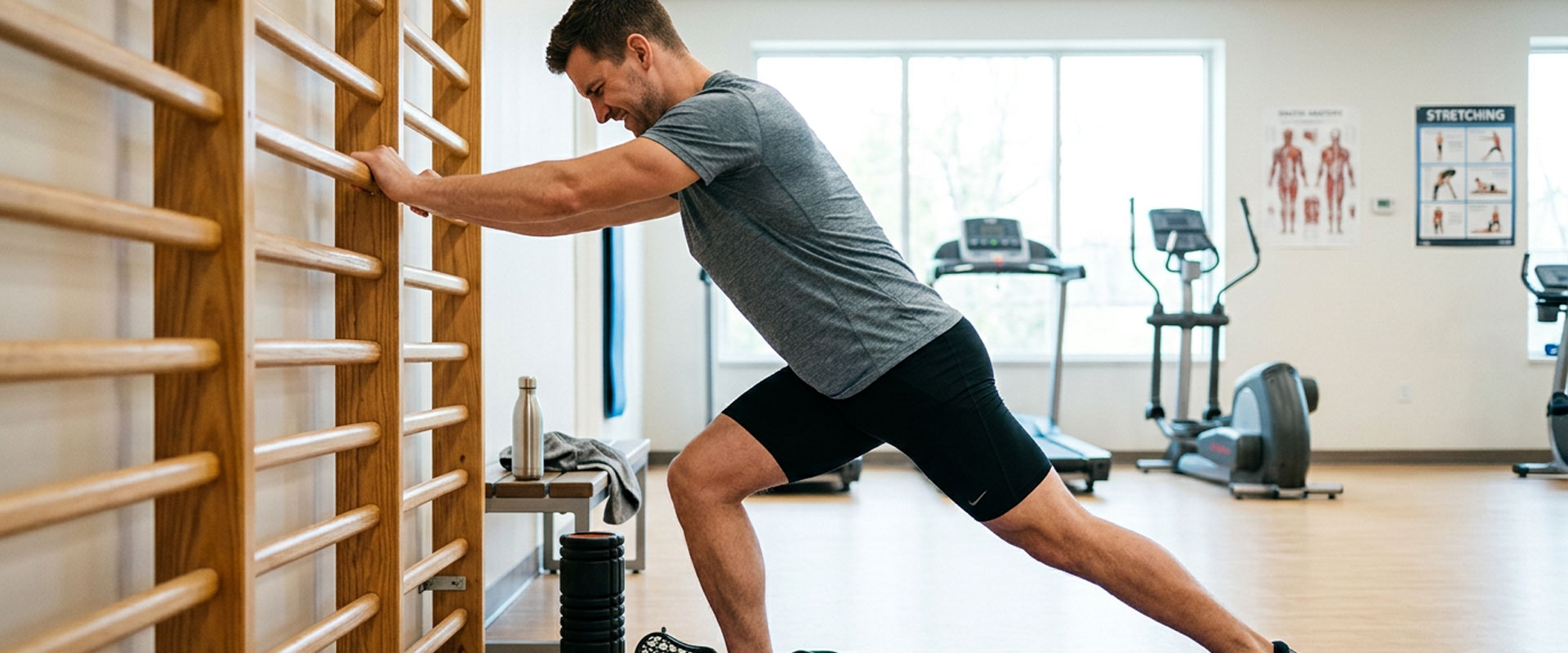
Recovery is just as important as training.
Effective Recovery Strategies
- Stretch calves after every workout
- Foam roll 2–3 times per week
- Sleep 7–9 hours per night
Stretching improves blood flow and enhances muscle growth potential.
Common Mistakes to Avoid
- Bouncing at the bottom of reps
- Using partial range of motion
- Training calves only once per week
- Ignoring seated calf exercises
- Neglecting nutrition
Avoiding these errors can dramatically improve results.
Sample Workout to Build Calf Muscle Fast
Workout A (Heavy Focus)
- Standing calf raises: 5 × 8–10
- Single-leg calf raises: 3 × 12
Workout B (High-Rep Focus)
- Seated calf raises: 5 × 15–20
- Donkey calf raises: 4 × 12–15
Alternate workouts throughout the week.
How Long Does It Take to Build Calf Muscle?
Visible calf growth typically takes:
- 4–6 weeks: Strength improvements
- 8–12 weeks: Noticeable size increase
- 6+ months: Significant transformation
Consistency is the deciding factor.
If you’re training consistently but still not gaining muscle, your overall approach may need adjusting. Why you might not be gaining muscle — it covers the most common fixable reasons.
Final Thoughts
Learning how to build calf muscle requires patience, proper training, and attention to detail. Calves respond best to high frequency, full range of motion, progressive overload, and sufficient nutrition. While genetics play a role, smart programming can dramatically improve calf size and strength over time.
Stick with the plan, stay consistent, and your calves will grow.


Join the Discussion